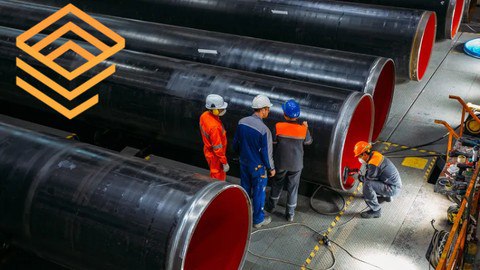
This course is designed for engineers and professionals in the oil and gas, process engineering, mechanical, and piping design sectors. Pipelines are essential in the safe and efficient transportation of fluids like oil, natural gas, chemicals, and water across industries. Whether you’re working in design, installation, operation, or maintenance, understanding the complexities of pipeline systems and adhering to industry standards is crucial. This course offers a detailed exploration of piping and pipeline design principles, giving you the knowledge to confidently work on real-world pipeline projects, including offshore pipelines.
You’ll learn about the essential aspects of piping design, from material selection to stress analysis, and explore how pipelines operate in oil and gas, process engineering, mechanical engineering, and piping design fields. We’ll focus on key industry standards, including ASME B31.4 (for liquid pipelines), ASME B31.8 (for gas pipelines), and PD 8010, ensuring that you’re up-to-date with the latest codes and regulations. With the increasing demand for sustainable energy sources, this course also covers emerging technologies like hydrogen pipelines and carbon capture and storage (CCS) infrastructure, alongside the unique challenges presented by offshore pipelines.
Career Opportunities
As the energy sector evolves, there is a growing demand for professionals skilled in piping and pipeline design. This course opens up numerous career opportunities in traditional industries like oil and gas as well as renewable energy sectors. With an in-depth understanding of pipeline systems, you’ll be well-prepared for roles such as:
- Piping Engineer: Involved in the design, layout, and installation of piping systems, working closely with other engineers and technicians.
- Pipeline Design Engineer: Specializing in designing and analyzing pipelines that transport oil, gas, chemicals, and more.
- Project Engineer: Overseeing large pipeline projects, ensuring they meet safety standards, cost goals, and deadlines.
- Process Engineer: Integrating piping systems within broader industrial processes, ensuring operational efficiency and safety.
- Construction Manager: Managing the construction of pipeline systems, ensuring they comply with safety and quality standards.
- Offshore Pipeline Engineer: Focusing on the design, installation, and maintenance of offshore pipelines, dealing with challenges like corrosion, pressure, and extreme environmental conditions.
Additionally, the rise of hydrogen as a clean energy source and the growth of carbon capture and storage (CCS) technologies create exciting new avenues for engineers, with specific expertise in pipeline design critical to these industries.
HOMEPAGE – https://www.udemy.com/course/piping-engineering-masterclass-onshore-offshore-pipelines/
Free Download Link-
Note: Comment below if you find the download link dead.



0 Comments